Bolivia is once again seeking international partners to support lithium development and infrastructure investment, signaling a renewed effort to convert one of the world’s largest lithium resource bases into commercial production.
The announcement is significant not because Bolivia possesses lithium resources—this has been well known for years—but because it reflects a growing recognition that resource potential alone does not create a competitive lithium industry. Technology, infrastructure, investment capital, and project execution are increasingly determining which countries can participate meaningfully in global battery supply chains.
For lithium producers, Direct Lithium Extraction (DLE) developers, infrastructure providers, and investors, Bolivia’s latest outreach offers insight into how one of the industry’s most closely watched jurisdictions is approaching the next phase of development.
A Resource Leader with Limited Production
Bolivia is home to vast lithium resources, largely concentrated within the Salar de Uyuni, one of the world’s largest salt flats.
Despite this advantage, commercial production has remained limited compared with neighboring countries such as Argentina and Chile. Over the past decade, a combination of technical challenges, infrastructure limitations, regulatory uncertainty, and financing constraints has slowed the pace of large-scale project development.
As a result, Bolivia’s role in the global lithium market has remained smaller than its resource base would suggest.
The gap between resource potential and commercial output continues to be one of the most closely followed issues in the lithium sector.
A Shift Toward International Collaboration
Recent discussions between Bolivia and international partners indicate a greater focus on technology cooperation, industrial development, and investment attraction.
Government officials have emphasized the importance of securing external expertise and capital to support the country’s lithium ambitions. This reflects a broader trend seen across the critical minerals sector, where resource-rich jurisdictions are increasingly seeking partnerships that provide both financing and technical capabilities.
For Bolivia, attracting the right combination of technology providers, processing expertise, and infrastructure investment may be as important as developing the resource itself.
Infrastructure Will Be Critical to Long-Term Success
While lithium resources often receive the most attention, infrastructure is likely to play an equally important role in determining future project outcomes.
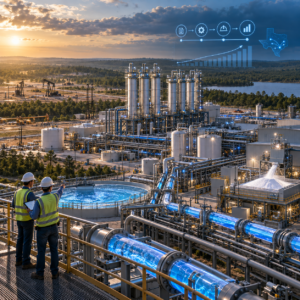
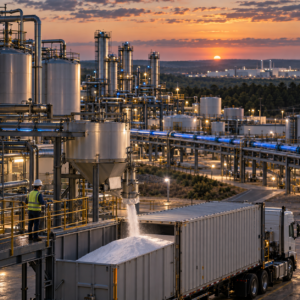
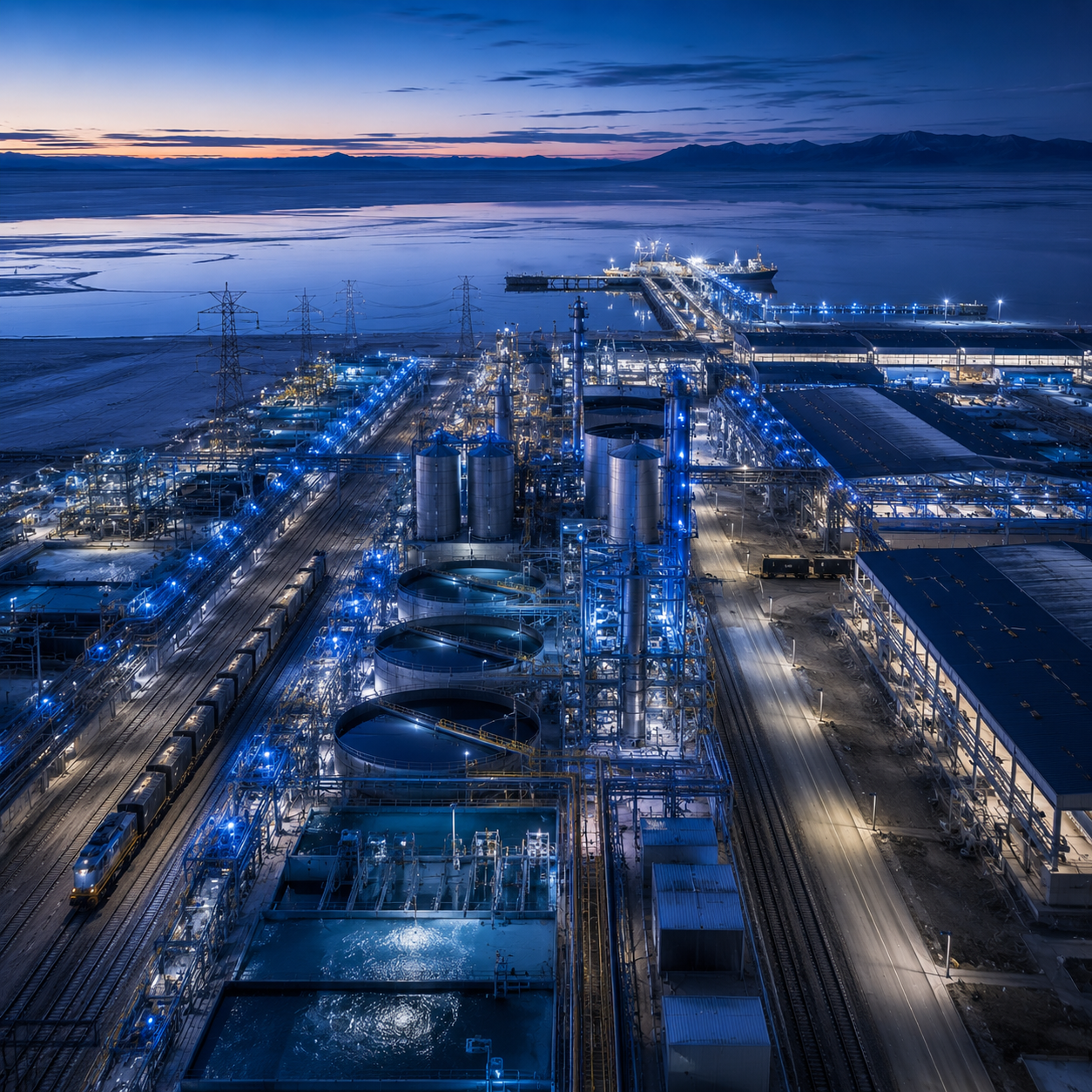
Large-scale lithium production requires reliable power, transportation networks, water management systems, processing facilities, and export logistics. These supporting assets influence project timelines, operating costs, and overall competitiveness.
For prospective investors, infrastructure development may ultimately be one of the most important indicators of Bolivia’s ability to expand lithium production at scale.
Countries that successfully integrate resource development with industrial infrastructure tend to be better positioned to attract long-term investment and downstream processing opportunities.
What This Means for the Lithium Supply Chain
The timing of Bolivia’s outreach is notable.
Governments and manufacturers around the world continue to seek greater diversification of critical mineral supply chains. Lithium remains a key component in electric vehicle batteries and energy storage systems, increasing the importance of new sources of supply.
Bolivia’s resource base gives it the potential to play a larger role in meeting future demand. However, realizing that opportunity will require more than resource development. Processing capacity, infrastructure deployment, regulatory stability, and commercial execution will all influence the country’s long-term position within the market.
For technology providers, engineering firms, infrastructure developers, and lithium processors, Bolivia may present opportunities that extend well beyond extraction itself.
Commercial Execution Remains the Key Question
The industry’s attention is increasingly shifting from resource estimates to project delivery.
Investors are looking for evidence that projects can move from planning to construction and ultimately to commercial production. This includes securing financing, building supporting infrastructure, implementing processing technologies, and establishing stable operating frameworks.
Bolivia’s latest efforts suggest a greater emphasis on addressing these requirements through international partnerships and investment engagement.
The effectiveness of this approach will likely determine whether the country can accelerate development and increase its contribution to global lithium supply.
Executive Takeaway
Bolivia’s latest investment outreach represents more than a search for development partners. It reflects an acknowledgement that lithium competitiveness increasingly depends on technology, infrastructure, and execution as much as geology.
The country’s resource potential has long been established. The next phase will depend on its ability to attract capital, deploy infrastructure, expand processing capacity, and create the conditions necessary for long-term project development.
For companies involved in lithium extraction, processing, infrastructure, and critical mineral investment, Bolivia remains one of the most closely watched markets in the sector—not because of the size of its resource base alone, but because of the opportunities and challenges associated with bringing those resources to market.